
Best Foods for Eye Health: Why Carrots, Sweet Potatoes, and Leafy Greens Matter
If you've ever wondered whether the foods you eat actually affect your vision and overall eye health, the answer is a clear yes. Here's what your eyes need — and the best foods to get it — explained simply.
Just last week, one of my patients finished his eye exam with a big smile. "Doc," he said, "those carrots and sweet potatoes I've been eating are really helping my eyes!" I smiled and told him he was absolutely right — and that dark leafy greens like spinach and kale can take it even further. Together, these foods give your eyes some of the most powerful nutrients in nature.
So what exactly makes these vegetables so good for your eye health? Let's break it down simply.
Why food matters for your eyes
Your eyes are working constantly — every second you're awake, they're capturing light, sending signals to your brain, and filtering out harmful rays from the sun and screens. To do all of that well, they need a steady supply of specific vitamins and nutrients. When those run low, your risk of serious eye conditions — like macular degeneration, cataracts, and night blindness — goes up over time.
The good news is that some of the best foods for eye health are also the most affordable and easy to find at any grocery store.
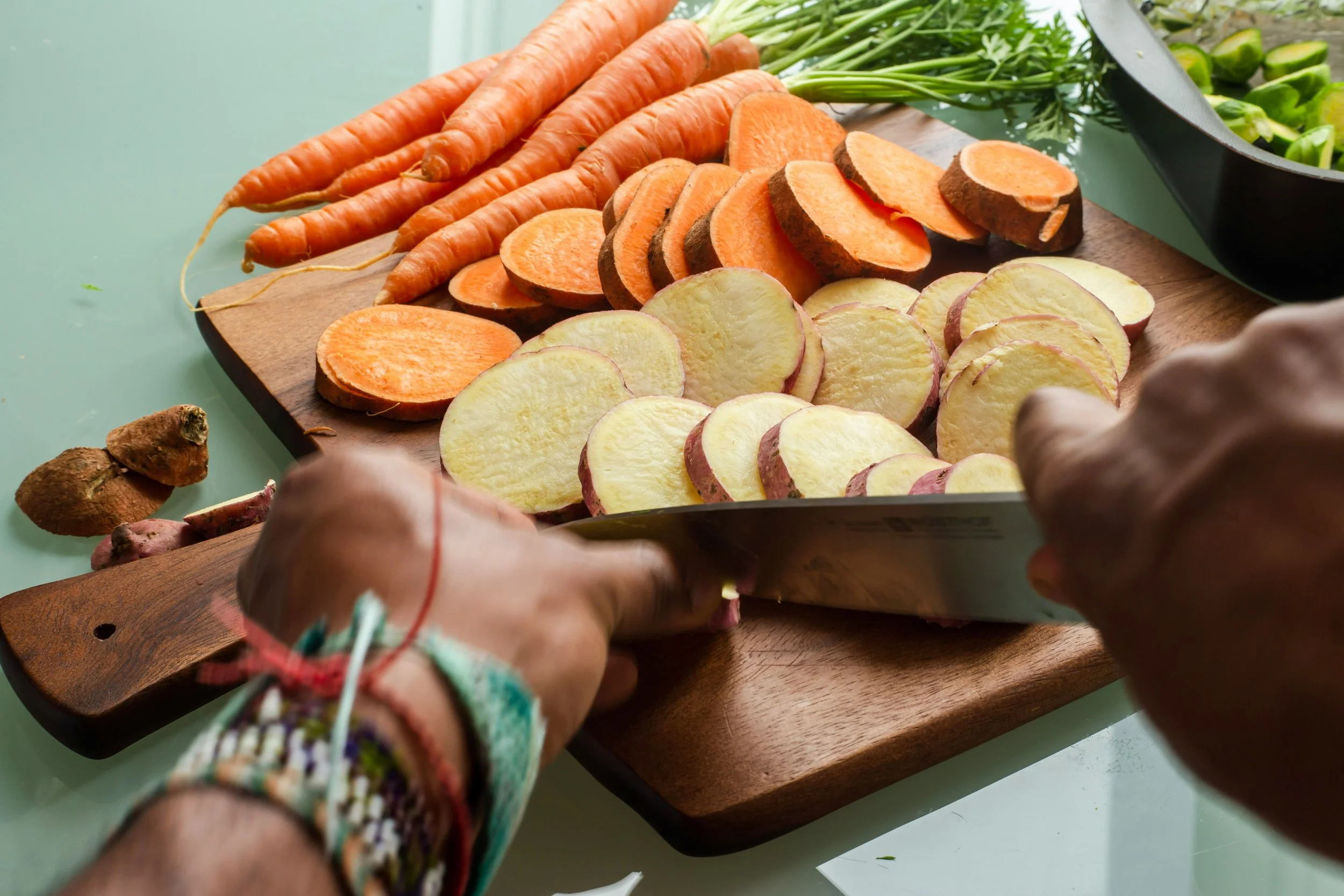
Carrots and Sweet Potatoes: Vitamin A powerhouses
That bright orange color in carrots and sweet potatoes comes from a compound called beta-carotene. When you eat it, your body converts it into Vitamin A — one of the most important nutrients for eye health.
What Vitamin A does for your eyes
Vitamin A helps you see in low light by supporting a pigment in your retina. Without enough of it, it becomes harder to see at night. It also helps keep the front of your eye healthy. If you don’t get enough for a long time, your eyes can become dry, and the clear front part (the cornea) can be damaged.
One medium sweet potato provides more than a full day's worth of Vitamin A. That's a big nutritional win in one simple food.
Fun fact: The WWII myth that carrots give pilots "super night vision" was actually British propaganda used to hide their secret radar technology from the enemy! Carrots support healthy eyes — but they won't give you superhero vision or fix a glasses prescription.
Leafy greens: the #1 source of lutein and zeaxanthin
If there are two nutrients that eye doctors talk about most for long-term vision protection, it's lutein and zeaxanthin. These are found in the highest concentrations in dark leafy greens — and here's what makes them so special.
What lutein and zeaxanthin do in your eyes
Lutein and zeaxanthin travel to your macula — the small central part of your retina responsible for sharp, detailed vision — and build up there over time. They act like natural built-in sunglasses, helping filter harmful blue light and UV rays before they can damage delicate eye tissue.
Research shows that people with higher levels of lutein and zeaxanthin in their diet have a lower risk of age-related macular degeneration (AMD) and cataracts — two leading causes of vision loss as we age.
Fun fact: Your body cannot produce lutein or zeaxanthin on its own. The only way to get them is through the foods you eat — which is why your diet matters so much for long-term eye health.
Top food sources of lutein and zeaxanthin
Cooked spinach leads the pack — one cup delivers more lutein than almost any other food. Kale, collard greens, and swiss chard are close behind. Eggs and corn also contain meaningful amounts, and the fat in egg yolks actually helps your body absorb lutein more efficiently.
Orange vs. Green: two teams, one goal
🥕 Orange vegetables
Rich in beta-carotene → Vitamin A
Supports night vision and corneal health
Carrots
Sweet potatoes
Butternut squash
🥬 Dark leafy greens
Highest food source of lutein & zeaxanthin
Protect the macula from light damage
Spinach
Kale
Collard greens
🔆 Vitamin A
From orange veggies
Helps night vision and keeps the eye's surface healthy
🛡️ Lutein & zeaxanthin
From leafy greens & eggs
Helps protect central vision and reduce risk of AMD and cataracts
🍊 Vitamin C
Found in both
Supports blood vessels in the eye and helps guard against cataracts
🧹 Antioxidants
Found in both
Help protect the retina and lens from daily wear and tear
Simple ways to eat more eye-healthy foods
Easy ideas to try this week
Roast sweet potato wedges as a side dish instead of regular fries
Stir a handful of spinach into scrambled eggs — it wilts quickly and blends right in
Snack on baby carrots with hummus in the afternoon
Add kale or spinach to soups, pasta, or smoothies for a simple nutrient boost
Mix shredded carrots into pasta sauce for natural sweetness
Try a spinach salad topped with roasted sweet potato — orange and green on one plate
Pro tip: Lutein is better absorbed when eaten with a small amount of healthy fat. Drizzle olive oil on your greens or pair them with avocado or eggs for the best results.
Ready to try this at home? We’ve put together a simple, eye-healthy recipe guide with easy meals using foods like spinach, kale, and eggs:
👉 Check out our eye-healthy recipe guide
Frequently asked questions about foods for eye health
What foods are highest in lutein and zeaxanthin?
Cooked spinach, kale, and collard greens are the richest sources. Eggs — especially the yolk — also contain both nutrients and are well absorbed.
Do carrots actually improve your eyesight?
Carrots support healthy vision by providing beta-carotene, which converts to Vitamin A. However, they won’t correct nearsightedness or farsightedness — glasses, contacts, or surgery are needed for that.
Can diet help prevent macular degeneration?
Research shows that diets rich in lutein, zeaxanthin, Vitamin C, Vitamin E, and omega-3s are associated with a lower risk of AMD. The AREDS2 study also found certain nutrients can slow progression in at-risk patients.
How often should I eat these foods?
Consistency matters most. Eating leafy greens and orange vegetables several times per week gives your eyes a steady supply of nutrients.
The Bottom Line
Eating for your eye health doesn’t require a special diet or expensive supplements. Carrots and sweet potatoes provide the Vitamin A your eyes need for daily function. Dark leafy greens like spinach and kale deliver lutein and zeaxanthin to help protect your vision over time.
Adding both to your meals regularly is one of the simplest ways to support long-term eye health.
At West Georgia Eye Care, we help patients protect their vision with comprehensive eye exams and guidance on nutrition for long-term eye health.
A healthy diet is one of the best things you can do for your eyes—but it’s only part of the picture. Many serious eye conditions develop without noticeable symptoms, and the only way to catch them early is through regular eye exams.