Eye Protection for Mowing: How to Protect Your Eyes During Yard Work
Warm days are back, the grass is growing, and the weed whacker is calling your name. There’s nothing like that first mow of the season—especially during long spring days here in West Georgia.
But before you start mowing the lawn, there’s one thing too many people forget: eye protection.
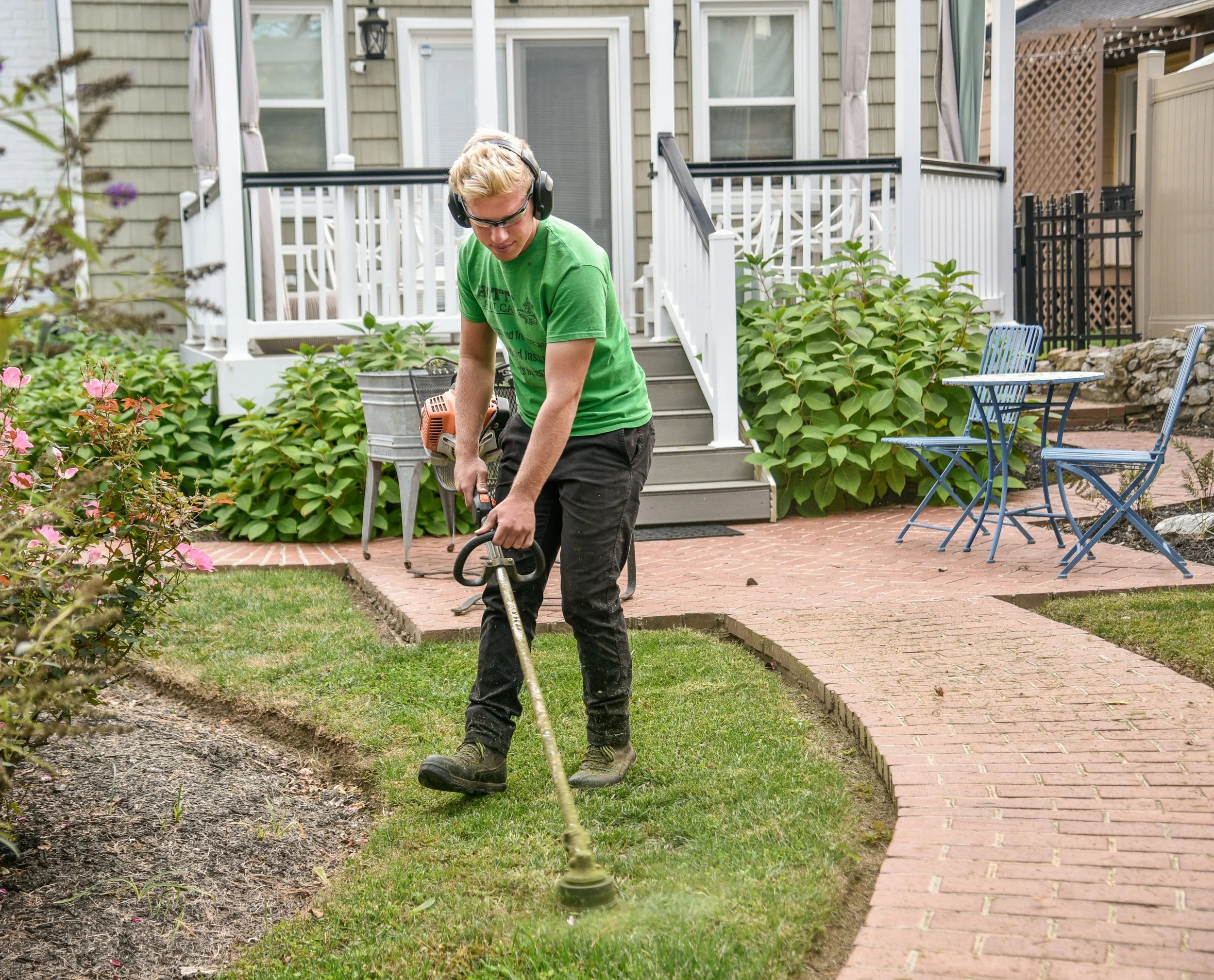
Whether you're using a push mower, riding mower, or string trimmer, protecting your eyes during yard work is just as important as the job itself.
There’s something unmistakably satisfying about the first mow. The air smells fresh, the sun is warm on your back, and that unruly winter grass finally starts looking like a lawn again.
But before you yank the cord or pull the trigger, make sure one piece of gear isn’t left behind in the garage: proper eye protection for mowing and yard work.
Do You Need Eye Protection When Mowing?
Short answer: yes — every time.
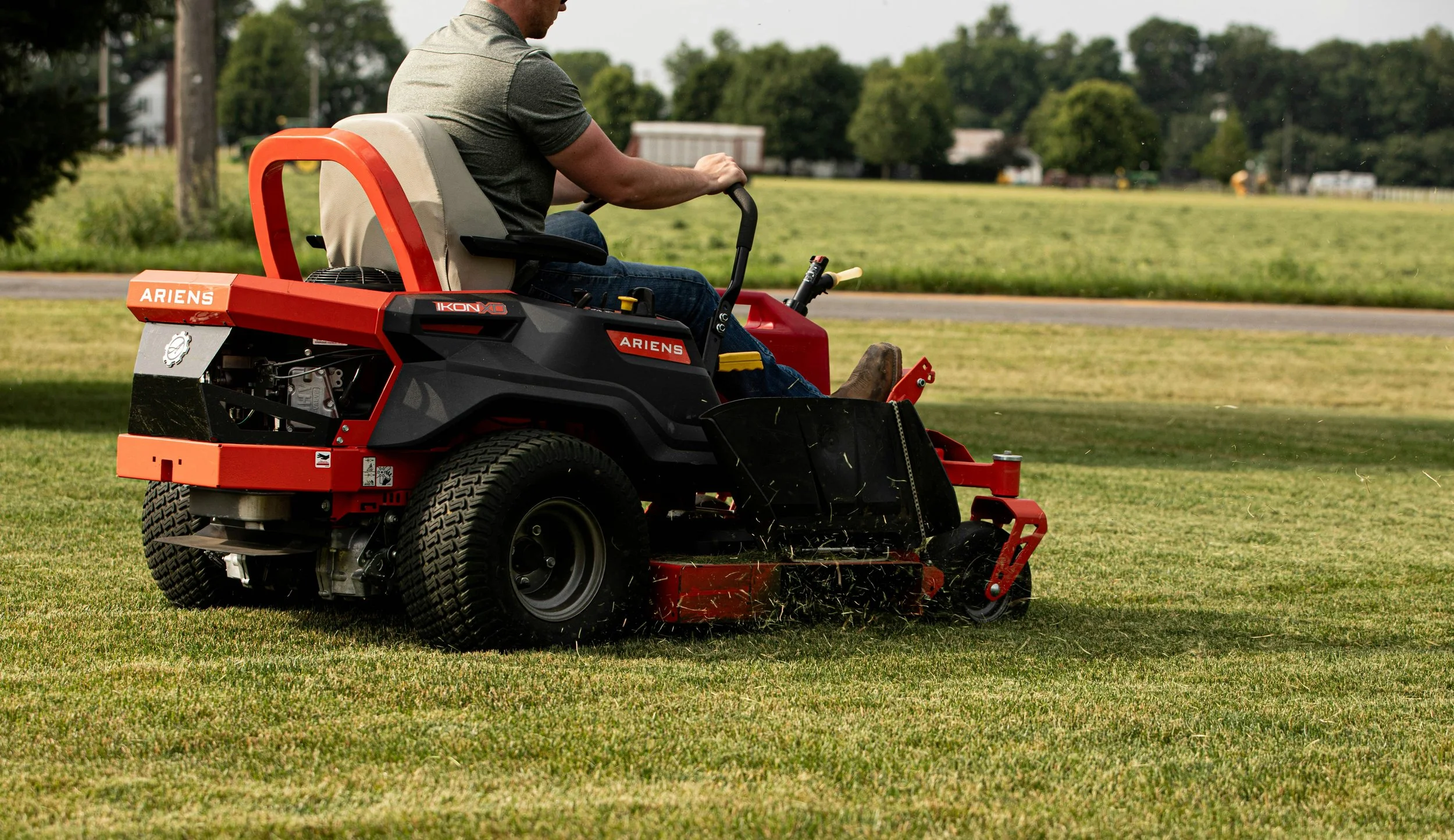
Lawn mowers and weed eaters don’t just cut grass. They launch whatever’s in your yard — rocks, sticks, debris — at high speed. Without eye protection, it only takes one hit to cause serious injury.
The Hidden Hazards of Yard Work
It’s easy to think of mowing as a low-risk chore. But spinning blades and high-speed trimmer lines turn everyday yard debris into projectiles.
Rocks, mulch, acorns, wire fragments — anything on the ground can become airborne the second it’s hit.
Fun fact: A single piece of debris from a mower or weed whacker can reach speeds up to 200 mph.
Weed eaters (string trimmers) are especially unpredictable. Debris can bounce off hard surfaces like sidewalks or driveways and come straight back at you.
🥽 ALWAYS WEAR
ANSI-rated safety glasses or goggles when mowing or trimming.
👟 FOOT PROTECTION
Closed-toe shoes only — no sandals or flip-flops.
🔕 CLEAR THE AREA
Walk the yard first and remove anything that could be thrown.
👶 KEEP KIDS AND PETS BACK
Keep them well away while equipment is running.
“The best safety glasses are the ones you actually have on your face when it matters.”
Not All Eye Protection Is Equal
Sunglasses aren’t enough.
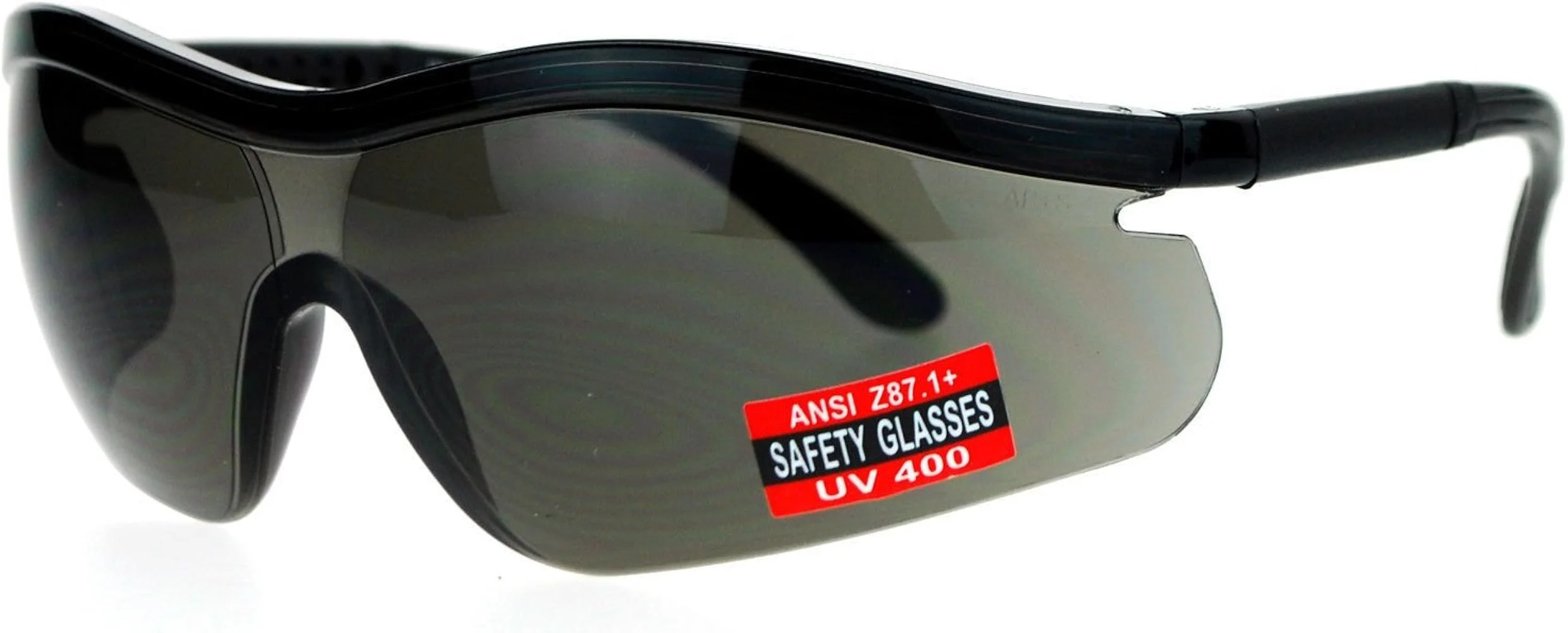
For mowing and yard work, you need eyewear marked ANSI Z87.1, which means it’s built to handle impact from flying debris.
Wraparound styles are a smart choice — they protect from the sides, not just straight ahead.
They’re lightweight, affordable, and easy to keep by your mower — which means there’s really no reason not to wear them.
Watch: Why Eye Protection Matters When Mowing
See how quickly things can go wrong without proper eye protection while mowing and doing yard work.
Don’t Forget UV Protection While Mowing
Eye safety isn’t just about flying debris. UV exposure adds up over time, especially during long hours outside mowing or trimming.
Spring and summer sunlight carries higher levels of ultraviolet (UV) radiation, and your eyes absorb that exposure little by little.
A few things most people don’t realize:
Clouds don’t fully block UV — most of it still gets through
Too much exposure can cause photokeratitis, a painful sunburn of the eye
UV Radiation and Cataracts
Cataracts — the clouding of the eye’s natural lens — are the leading cause of vision impairment worldwide. As the lens becomes less clear, vision turns blurry and less sharp.
Aging plays the biggest role, but long-term UV exposure — especially UV-B rays — speeds up the process by damaging the lens over time.
The good news: UV-blocking lenses can help slow that damage. You can’t undo past exposure, but you can protect your vision moving forward.
UV Radiation and Macular Degeneration
The macula is what gives you sharp, central vision — what you use to read, drive, and recognize faces.
Over time, repeated exposure to UV and high-energy light increases the risk of age-related macular degeneration (AMD), a leading cause of vision loss after age 50.
Protecting your eyes now helps preserve your vision later.
What to Look For in Safety Glasses for Mowing
If you’re buying eyewear for yard work, keep it simple:
UV400 or 100% UV protection (blocks harmful rays)
ANSI Z87.1 rating (protects against impact)
Comfortable fit (so you’ll actually wear them)
⚠️ One important note:
Dark lenses without UV protection can be worse than no lenses at all — they dilate your pupils and let in more UV.
The Best Setup for Yard Work Eye Protection
Eye injuries from yard work are more common than most people realize — but they’re also highly preventable with the right protection.
The ideal option is simple:
ANSI Z87.1 safety glasses with UV400 protection
That gives you:
Protection from flying debris
Protection from UV exposure
All in one. And most good pairs cost less than $20.
Frequently Asked Questions: Eye Protection for Mowing and Yard Work
Do you need eye protection when mowing the lawn?
Yes. Lawn mowers and string trimmers can launch rocks, sticks, and debris at high speeds, putting your eyes at serious risk. Wearing proper eye protection when mowing the lawn is one of the simplest ways to prevent injury.
According to the American Academy of Ophthalmology, many eye injuries happen during everyday activities like yard work and are often preventable with protective eyewear:
Are sunglasses enough for mowing and yard work?
No. Regular sunglasses may block sunlight, but they are not designed to protect against impact. For mowing and trimming, you need ANSI Z87.1-rated safety glasses that can withstand flying debris.
The CDC recommends wearing proper protective eyewear during activities that can generate airborne particles:
What are the best safety glasses for mowing?
The best safety glasses for yard work should have:
ANSI Z87.1 impact rating (for debris protection)
UV400 or 100% UV protection (for sun exposure)
A comfortable, wraparound fit
This combination protects your eyes from both immediate hazards and long-term UV damage.
Can mowing the lawn damage your eyes over time?
Yes. In addition to injury from debris, repeated exposure to UV radiation while mowing or working outdoors can contribute to long-term eye conditions like cataracts and macular degeneration.
The National Eye Institute explains how UV exposure affects long-term eye health:
Is eye protection necessary even on cloudy days?
Yes. Up to 80% of UV rays can pass through clouds, meaning your eyes are still exposed even when it’s overcast. That’s why eye protection should be a habit every time you mow or do yard work — not just on sunny days.
🌿 Protect Your Eyes Every Time You Mow
It only takes a second for something to go wrong — but it also only takes a second to prevent it.
Before you start the mower or pick up the weed eater, make sure you’re wearing proper eye protection. A simple pair of ANSI Z87.1-rated safety glasses with UV protection can help shield your eyes from both flying debris and long-term sun damage.
Make it a habit this season:
Shoes on. Glasses on. Then start the mower.
If you have questions about protecting your eyes or it’s time to check your vision, the team at West Georgia Eye Care is here to help you stay protected this season.
Your eyes are worth protecting — now and for the years ahead.