
Living With a Prosthetic Eye: One Young Woman's Story of Strength, Confidence & Hope
🎬 Watch the full story above.
In the video above, one of our West Georgia Eye Care patients shares her personal journey of losing her left eye at just 3 years old — and how she built a full, confident, and beautiful life with monocular vision. We invite you to watch, and to share this story with anyone who may need encouragement.
What does life look like when you grow up with one eye? For one of our patients here at West Georgia Eye Care in Carrollton, Georgia, it looks like resilience. It looks like confidence. And it looks like hope.
She lost her left eye at the age of 3. In the years that followed, she learned to navigate the world with a prosthetic eye — facing real physical and emotional challenges while finding her footing, her stride, and her voice. Today, she shares her story openly in the hope that it encourages other children, teens, parents, and families walking through something similar.
We are honored that she chose to share her journey with us.
What Led to Losing Her Eye
Vision loss in young children can happen for a number of reasons — congenital abnormalities present at birth, eye cancers such as retinoblastoma, traumatic injury, or severe infection. For many families, the diagnosis and the decision to proceed with eye removal surgery (enucleation) arrives suddenly and without warning, in the middle of an already frightening medical situation.
That was the case for our patient. At 3 years old, she was far too young to fully understand what was happening. What she did know was that something was different — and that her family was by her side through every step of it.
Receiving a Prosthetic Eye
A prosthetic eye — also called an ocular prosthesis or artificial eye — is a custom-fitted shell designed to closely match the appearance of a natural eye. It is placed in the eye socket after surgical removal of the eye and is fitted by a specialist called an ocularist.
For children, the process involves multiple fittings over time as they grow. The prosthesis is adjusted and eventually replaced to keep pace with the natural development of the eye socket and facial structure. Our patient walked through this process from early childhood into adulthood — each fitting a small but meaningful milestone in learning to live with her new normal.
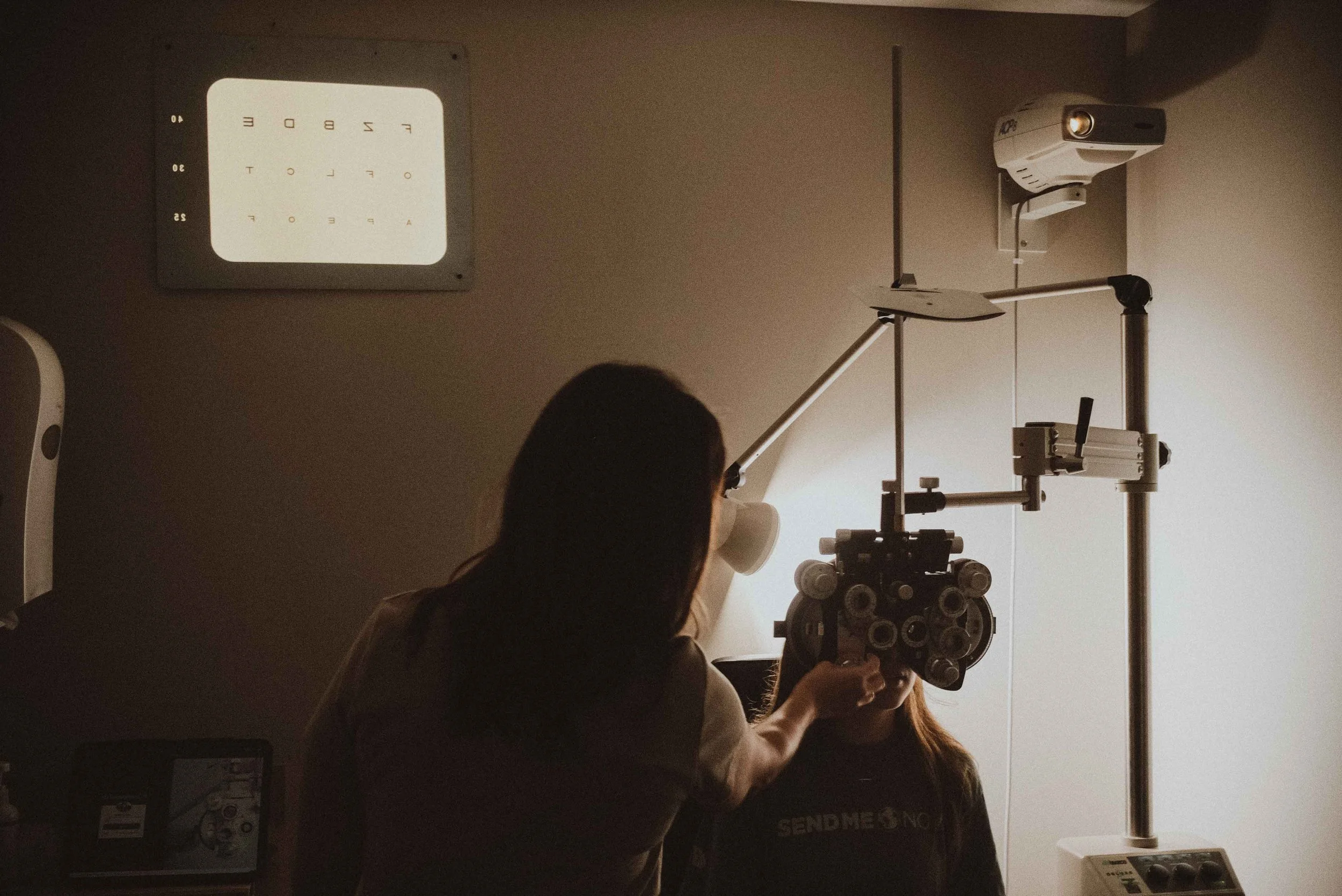
Growing Up with Monocular Vision
Monocular vision means seeing with one eye. For most people, the brain adapts remarkably well over time — learning to judge depth and distance in new ways, compensating for the reduced field of view, and developing alternative spatial awareness strategies that become second nature.
That adaptation doesn’t happen overnight, and it isn’t always easy. Our patient talks honestly about the learning curve — the moments of frustration, the physical adjustments, and the emotional weight of being different from peers during the years when fitting in feels like everything.
And she talks about the other side of it: finding confidence, owning her story, and arriving at a place where her prosthetic eye is simply part of who she is.
Challenges She Faced — Physically and Emotionally
Living with one eye affects more than sight. Common challenges people with monocular vision navigate include:
Depth perception — judging distances, especially during activities like driving, sports, or navigating stairs
Reduced peripheral vision on the side of the prosthetic eye
Eye fatigue and strain in the remaining eye, which is doing 100% of the visual work
Care and maintenance of the prosthetic eye, including daily cleaning and regular visits to an ocularist
Emotional challenges, particularly during childhood and adolescence — questions from peers, self-consciousness, and the work of building confidence
Our patient speaks to all of these with honesty and grace. She doesn’t minimize the hard parts. She also doesn’t let them define the story.
How She Adapted to Everyday Life
Adaptation looks different for everyone. For our patient, it came through time, through support, and through the small daily victories that added up to a life she is proud of. She drives. She works. She moves through the world with the kind of quiet confidence that only comes from having faced something hard and come through the other side.
For families currently in the early stages of this journey — parents of a young child who has just been diagnosed, or individuals facing the possibility of eye loss later in life — her story is a reminder that the path forward is real and it is livable.
Encouragement for Children, Families, and Anyone on a Similar Journey
If you are a parent whose child has just received a diagnosis involving potential eye loss, or if you are an individual navigating vision loss yourself, we want you to hear this:
You are not alone.
Life after losing an eye can still be full, healthy, confident, and beautiful. There are people who have walked this path before you and are walking it alongside you right now.
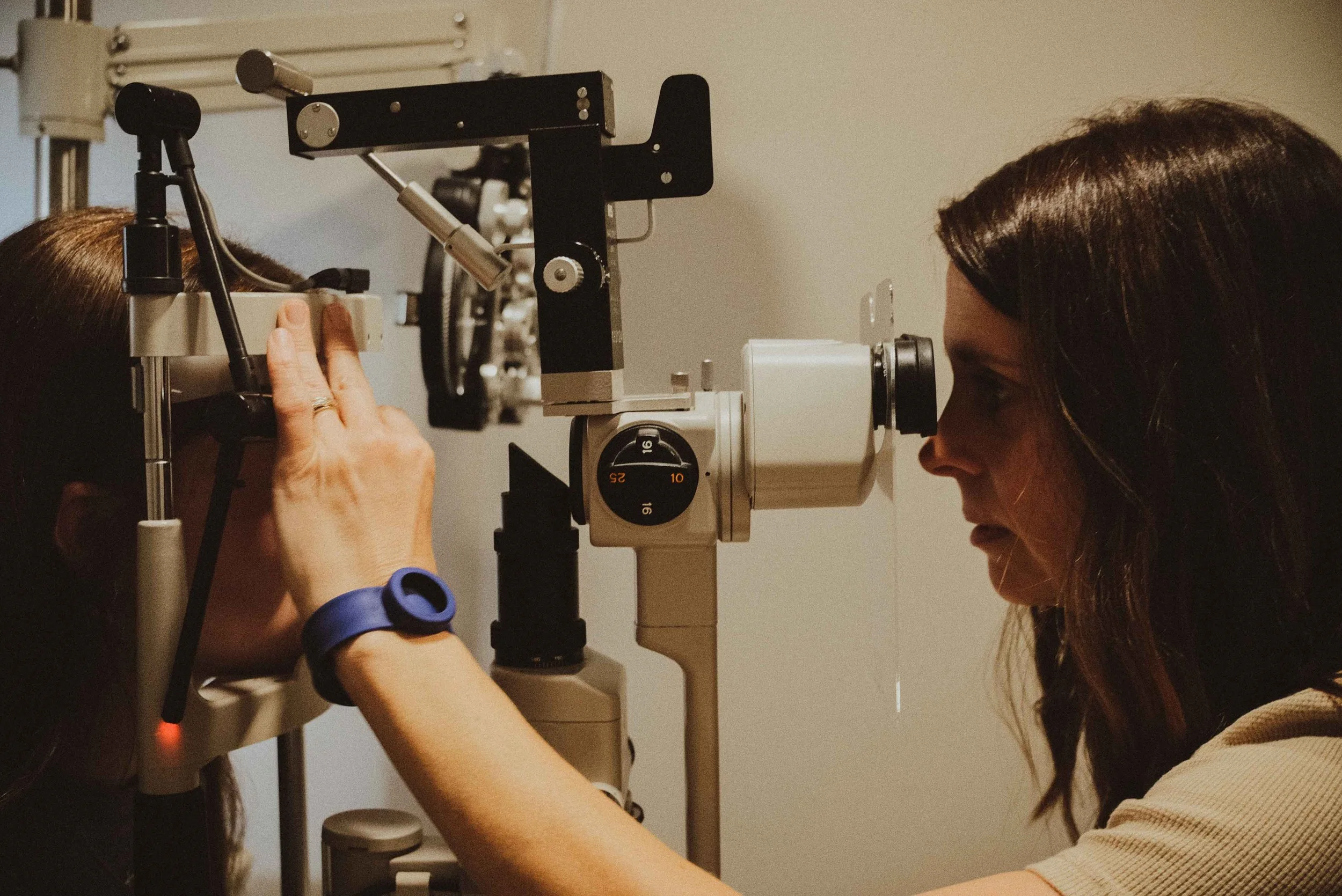
We hope this story finds you at the right moment. We hope it gives you a glimpse of what is possible. And we hope it encourages you to keep going.
Eye Care That Goes Beyond Prescriptions
At West Georgia Eye Care in Carrollton, Georgia, we believe eye care is about more than lenses and exams. It is about caring for the whole person behind every pair of eyes — and sometimes, caring for the person navigating life without one of them.
Whether you are coming to us for a routine exam, managing a chronic eye condition, or simply looking for a practice that will take the time to listen, our team is here for you. We proudly serve patients of all ages throughout Carrollton, Carroll County, and the greater West Georgia area.
If you have questions about eye health, vision loss, prosthetic eye care, or any other eye-related concern, contact us or schedule an appointment online. We are happy to help.
Frequently Asked Questions
What is monocular vision?
Monocular vision means using only one eye to see. It can result from the loss of an eye due to injury, illness, or surgery, or from a condition that causes one eye to stop functioning. People with monocular vision often adapt over time, developing new strategies for depth perception and spatial awareness.
What is a prosthetic eye?
A prosthetic eye, also called an ocular prosthesis or artificial eye, is a custom-fitted shell placed in the eye socket after the surgical removal of an eye. It is designed to closely resemble a natural eye in appearance. Prosthetic eyes require regular cleaning, maintenance, and periodic replacement as the eye socket changes over time.
Can you drive with one eye?
In many cases, yes. Most states, including Georgia, allow individuals with monocular vision to drive, provided they meet certain visual acuity standards with their remaining eye. Each situation is different, and a comprehensive eye exam with a licensed optometrist is the best way to evaluate driving safety for someone with one eye.
What causes a child to lose an eye?
Children may lose an eye due to a number of causes, including retinoblastoma (a type of eye cancer), severe eye trauma or injury, congenital abnormalities, or serious infection. In cases where the eye cannot be saved, surgical removal (enucleation) may be recommended to protect the child’s health.
How do you take care of a prosthetic eye?
Prosthetic eyes require daily cleaning with saline solution and regular visits to an ocularist for professional polishing and refitting. Most ocularists recommend a checkup every 6 to 12 months. The prosthesis may need to be replaced every several years, particularly in growing children whose eye socket continues to develop.
What support is available for children and families dealing with eye loss?
Support resources include ocularists who specialize in prosthetic eye fitting and care, pediatric ophthalmologists, patient advocacy organizations such as the American Society of Ocularists, and community support groups for individuals with vision loss. Stories like the one shared in this video are also a meaningful source of encouragement for families in the early stages of this experience.
Does West Georgia Eye Care treat patients with prosthetic eyes?
We welcome patients with prosthetic eyes and monocular vision at West Georgia Eye Care in Carrollton, GA. Our team provides comprehensive eye care for the health and function of your remaining eye, and we are here to support you through every stage of your vision journey. Contact us to schedule an appointment.